Island Peak, Lobuche, and Kyajo Ri are all well-known trekking peaks in Nepal. But sometimes, a ‘trekking peak’ can be a little bit of a shock to the system if you’re not expecting the technical and physical demand, especially in this region. In this blog post, we’re going to talk about the technicalities you can face. We’ll also cover what you can do to prepare for a trip to the trekking peaks in Nepal.
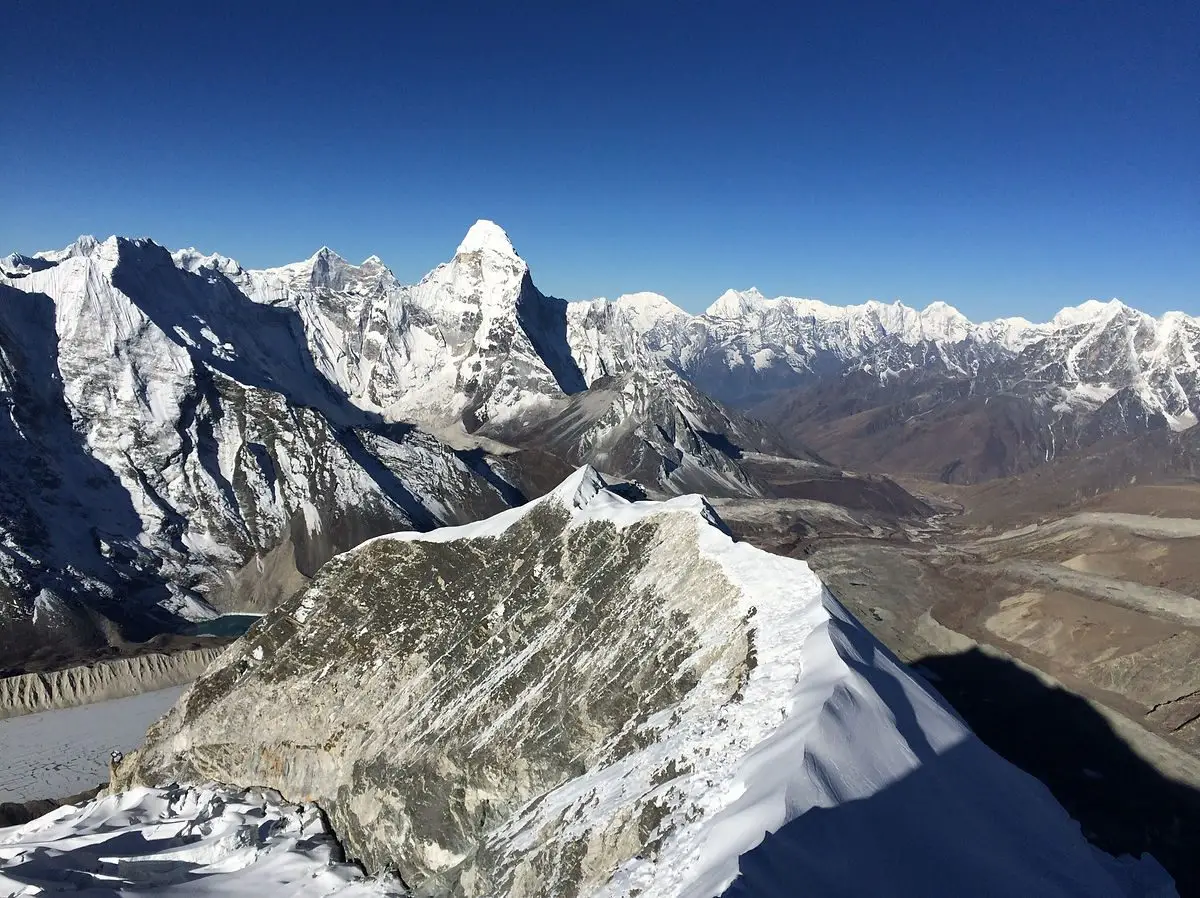
During a trip to Nepal in 2019, I had a client climbing Lobuche. Just near the summit, when reserves were running understandably low, I heard her mutter under exhausted breath “trekking peak my arse”. This comment got me thinking. She really wasn’t expecting these technicalities, and many people embarking onto similar trips probably find themselves in a similar situation. That’s why all our plans and coaching contain a significant element of mental prep. The more we know about the challenges awaiting us, the better we can prepare for them. Then they won’t catch us by surprise and knock confidence… which is the very last thing you want at the top of a mountain!
When we entered Island Base Camp, we bumped into another team. They were heading down the mountain after making the decision to turn back on Summit day. This team had managed to get up to the beginning of the steep section, then found it too hard to continue.
As I was ascending Island Peak, I was also surprised at the level of incline to reach the summit. Fixed ropes are in place to use for the last 100 metres of the climb and the gradient relates to a grade 2 Scottish Winter route. Except – we’re at 6000m, so this can be a real challenge for participants. If you have not trained for this type of technical terrain, you may find yourself turning around early.
Now, I’m not knocking this at all. If you have to turn around, you have to turn around. Your safety is paramount. But if you’re aiming for one of these peaks, we do want to give you the very best chance of success!
Later, on Kyajo Ri, the fixed lines were so steep that clients had to use two arms to heave themselves up the rope using an ascender. This is as exhausting as it sounds when you aren’t accustomed to climbing on steep technical ground.
So, if one of these trekking peaks in Nepal is on your 2026 to do list, here is a few ideas to help you to move more efficiently over this terrain!
Practice closer to home
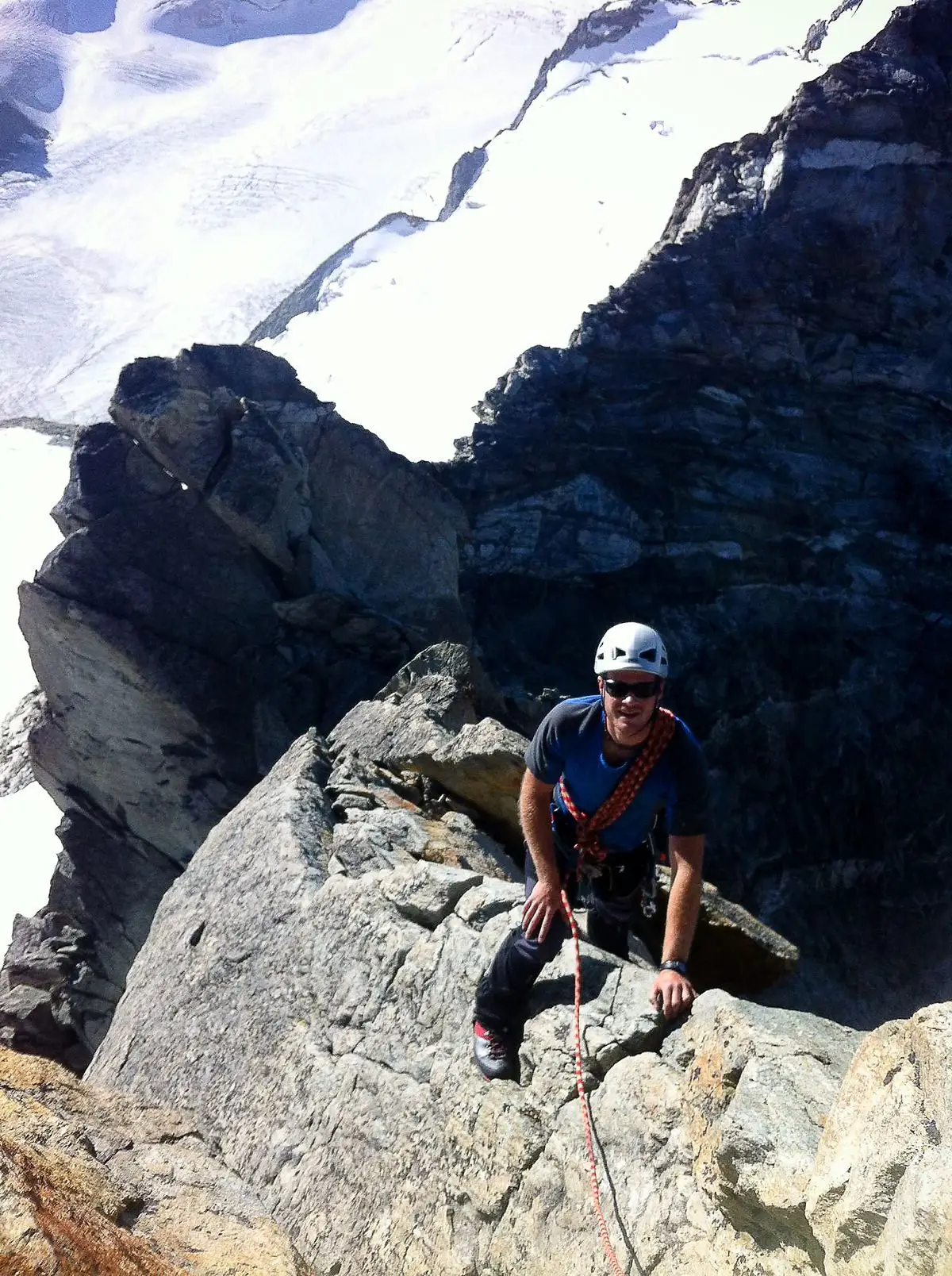
Get your mountain boots on and explore some of the great scrambling routes the UK mountains have to offer. Not only will this give you a great day out, but you will build specific fitness and get accustomed to stepping on small holds with clumpy boots on, which is a very specific skill you need to be training for. There’s a great range of scrambling guide books available for all abilities these days, I really recommend Scrambles in Snowdonia (Cicerone).
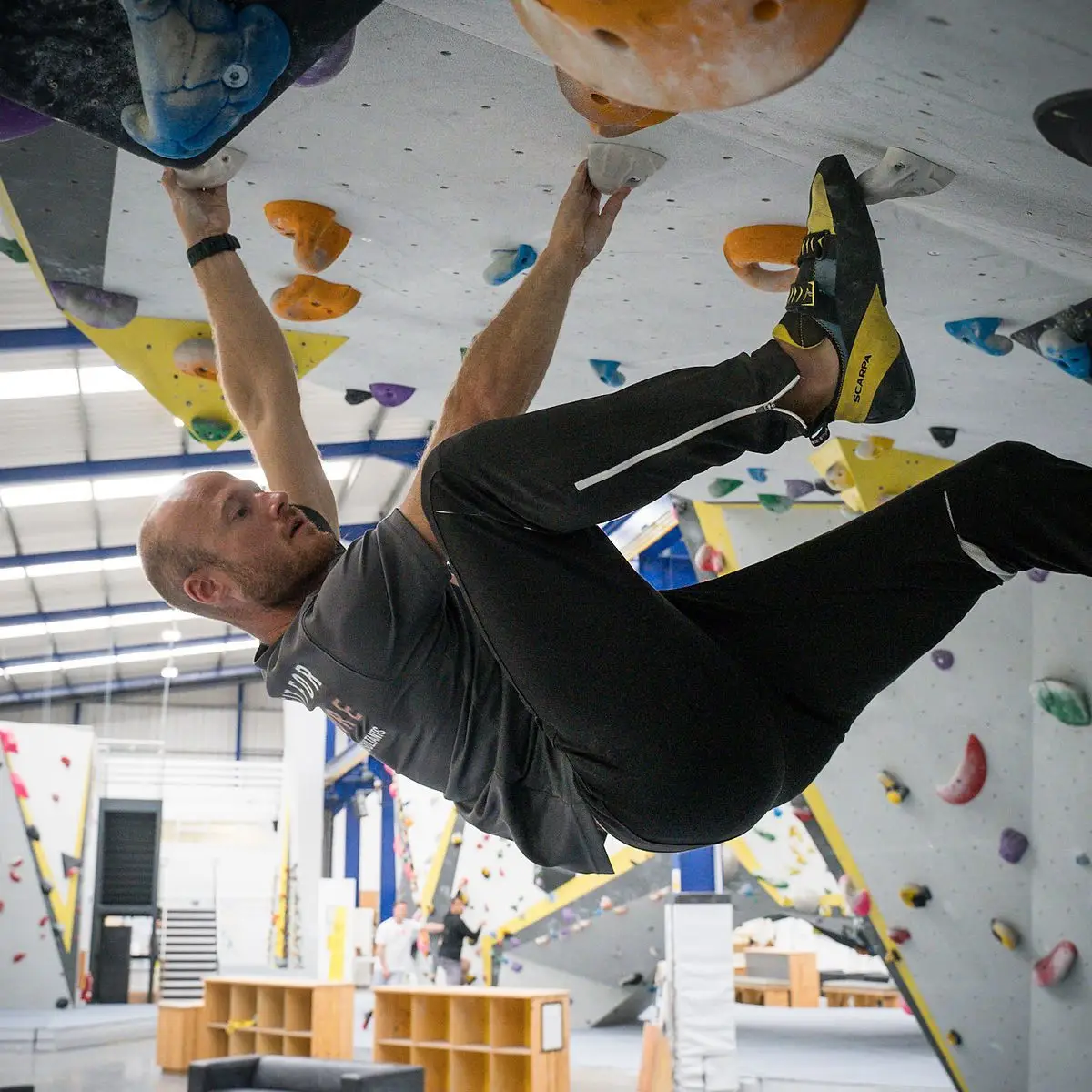
Start Climbing
Climbing even at an indoor wall will improve footwork placements, upper body strength and mental resilience. All of these are fundamental for a successful summit of a trekking peak in Nepal… or anywhere else!
Winter skills course
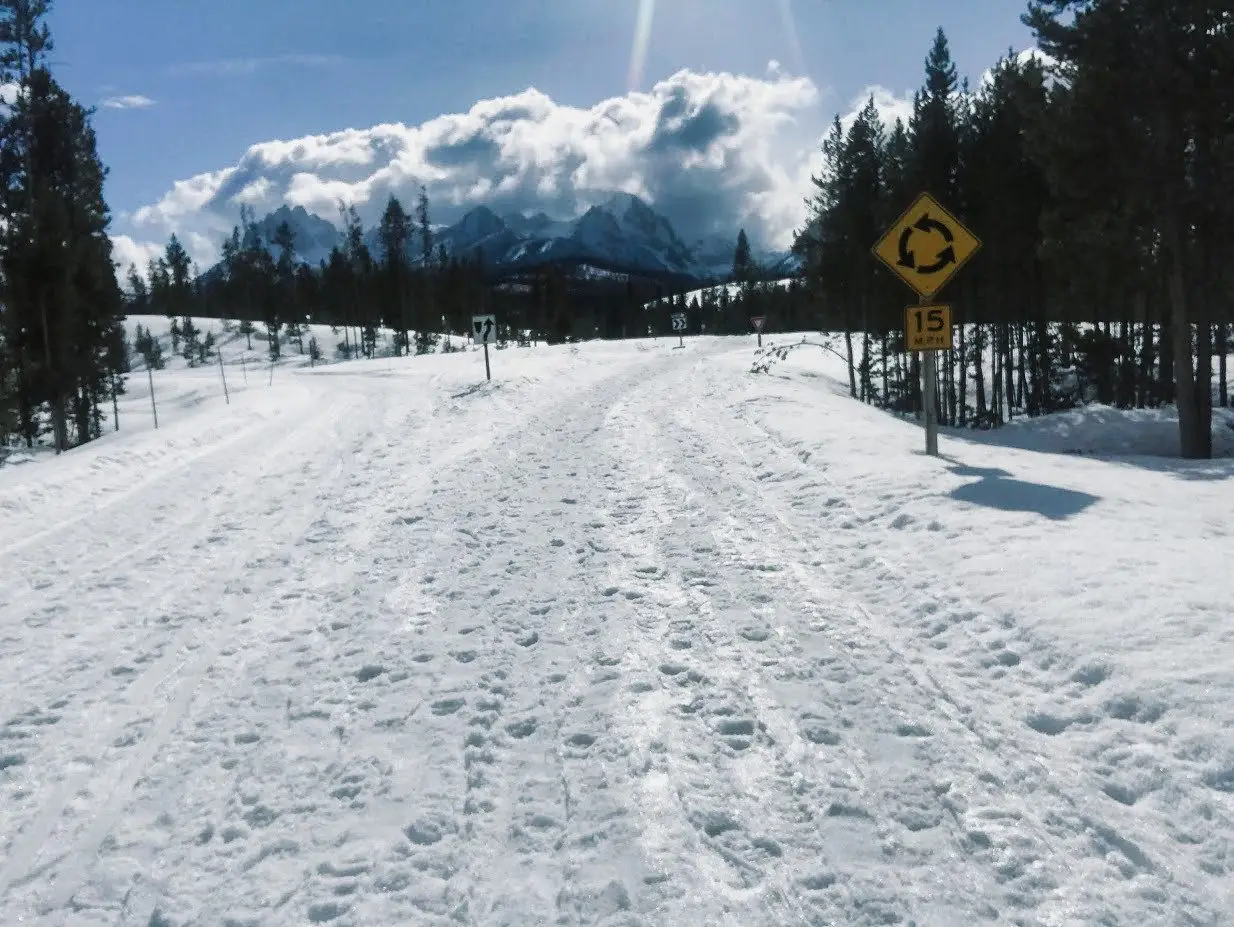
Get some practice in with those crampons before departing for the mountain. Plan a trip to Scotland or the Lakes and hone in those climbing skills. Even a skill as simple as taking crampons off and on with big gloves while on the mountain could increase your confidence when taking the final steps towards your summit, so don’t sleep on the gear practice!
Get some dedicated coaching
A trip to experience the stunning trekking peaks in Nepal is an amazing adventure, but it’s also pretty tough. Depending on you prior experience, skill, and fitness level, you might benefit from a Peaks & Performance training plan. These are completely customised to you and your goal and cover mental, physical, and skill preparation, giving you the best chance at a successful summit. Just get in touch!